
Reconstructing lost genomes with code
Open-source algorithms designed to map, repair, and simulate fragmented ancient DNA sequences with absolute molecular precision, enabling viable cellular reconstruction.
Algorithmic synthesis engines
We replace traditional viral vectors with nonviral delivery systems and computational models to safely test genetic viability, bypassing traditional biological bottlenecks.
Sequence Alignment
Nonviral Delivery
Viability Simulation
Algorithms that reconstruct degraded ancient DNA by matching fragmented reads against modern evolutionary relatives.
Designing synthetic lipid nanoparticles to bypass host immune responses without viral insertion risks.
Simulating embryonic development pathways in silico to verify genetic stability prior to physical synthesis.

Precision delivery platforms
Our pipeline integrates molecular biology with high-performance computing to resolve the fidelity limits of ancient DNA reconstruction, ensuring stable cellular models.
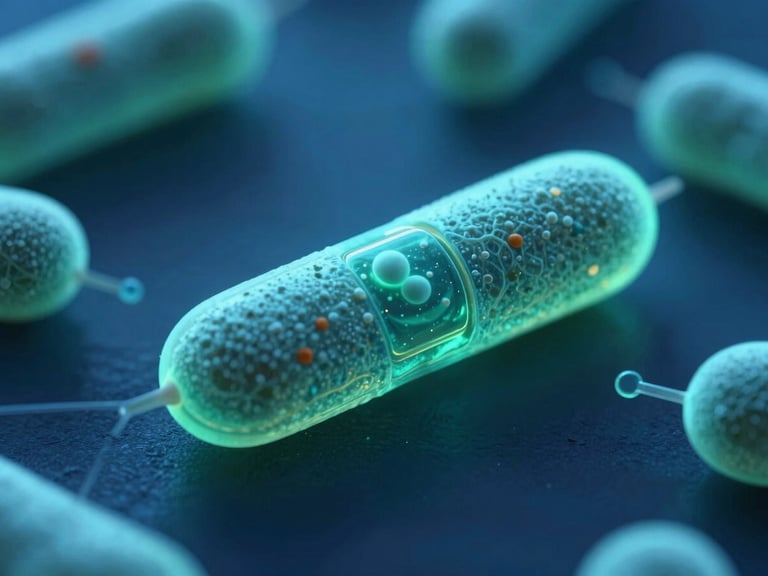
Nonviral vectors
Traditional viral delivery triggers severe immune responses. Our software models nonviral synthetic vectors that safely transport large gene-editing payloads directly into target somatic cells without genomic disruption.
Support open-access genetics
Help fund our nonviral gene delivery research and open-source software tools. Every contribution directly accelerates species preservation and advances veterinary cellular therapy.